Origins and Early Partnerships
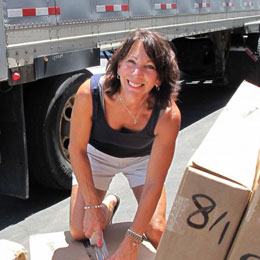
Furnishing Hope was established in 2003 by Beth Phillips, an interior designer who saw an opportunity to connect quality furnishings from her clients' remodels with families in need. What began as a practical way to repurpose donated home goods quickly evolved into a mission-driven organization, dedicated to transforming empty spaces into environments of dignity and comfort. Early collaborations with organizations such as Habitat for Humanity enabled Furnishing Hope to furnish homes for families seeking stability.
Expansion and Refined Focus
Over time, Furnishing Hope's mission broadened and became more focused. In 2010, Beth made a pivotal decision to concentrate efforts on supporting wounded military heroes and families in crisis. Recognizing the challenges of transitioning to independent living—especially when facing injury, trauma, or homelessness—Furnishing Hope developed a model grounded in partnerships. Families are referred through trusted nonprofits and military support agencies, and each home installation is personalized to the client's preferences.
Growth and Community Impact
Thanks to the dedication of volunteers and community partners, Furnishing Hope has grown into a robust, hands-on organization. The team delivers beds, furnishes entire homes, and supplies essential items to help families settle comfortably. Over the years, Furnishing Hope has furnished hundreds of homes for wounded heroes and families in transition and provided thousands of beds for children in need.
Collaborations and Support
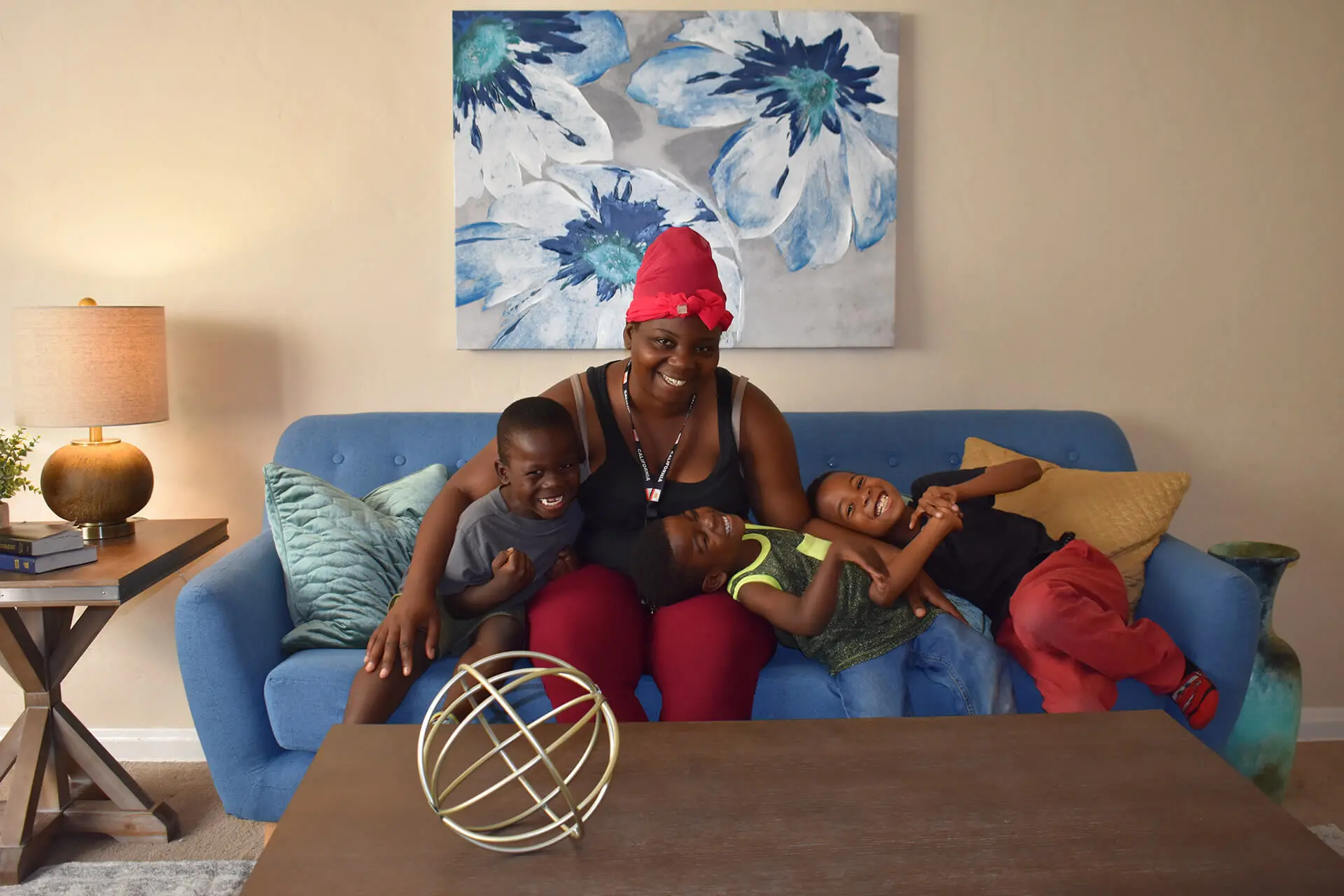
Sponsors and partners have played a vital role in making Furnishing Hope's work possible. Support has come in many forms, including in-kind donations, grants, volunteers, and mission-aligned collaborations. Notable partnerships include those with Living Spaces and Houzz, as well as community donors who have provided critical resources, such as installation and furniture delivery support. These collective efforts enable home installations that help families start anew, allowing them to rest in their own beds, share meals at their own tables, and rebuild their lives with renewed hope.